Natural clay mineral for binding, rheology, and adsorption
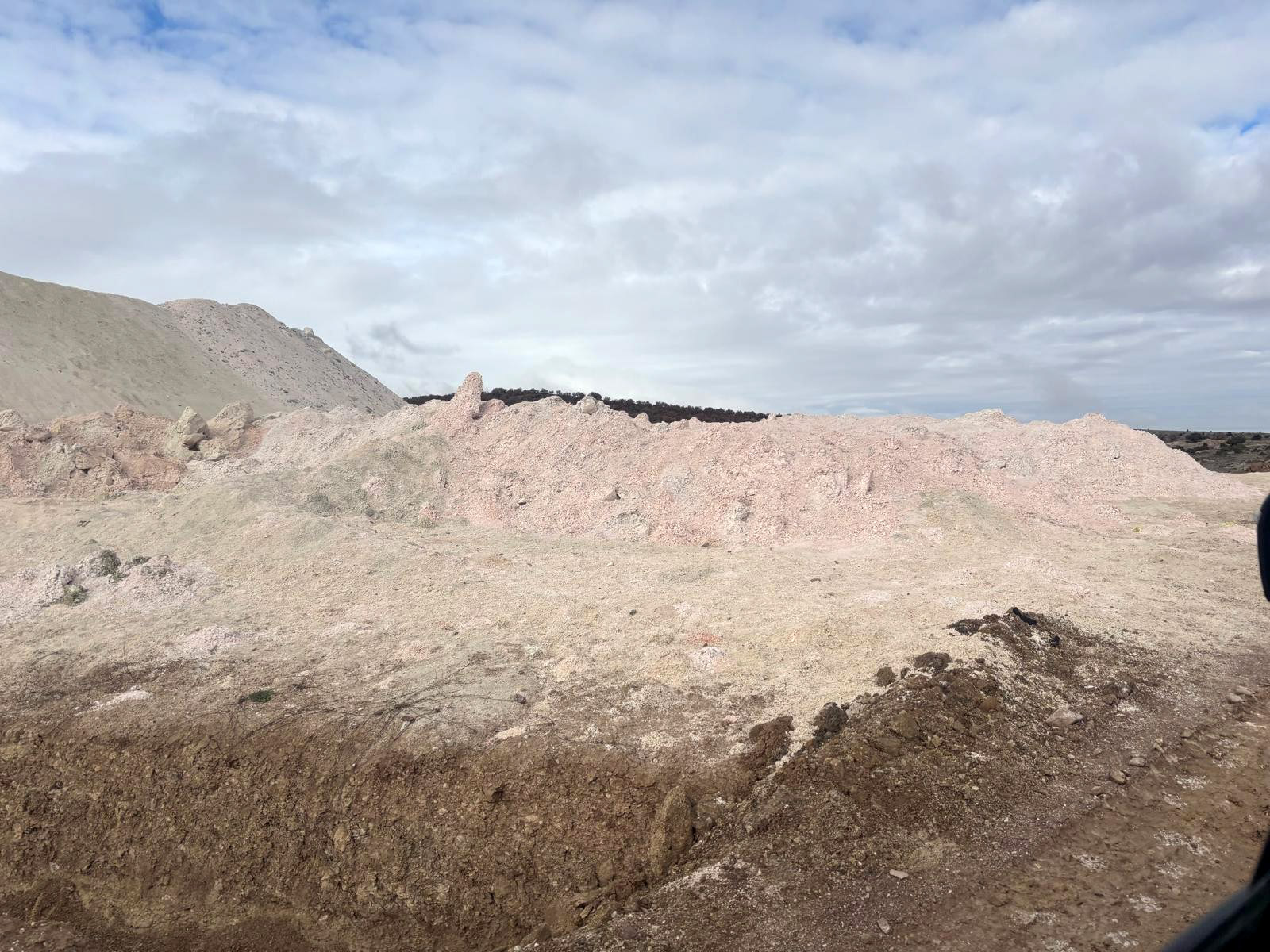
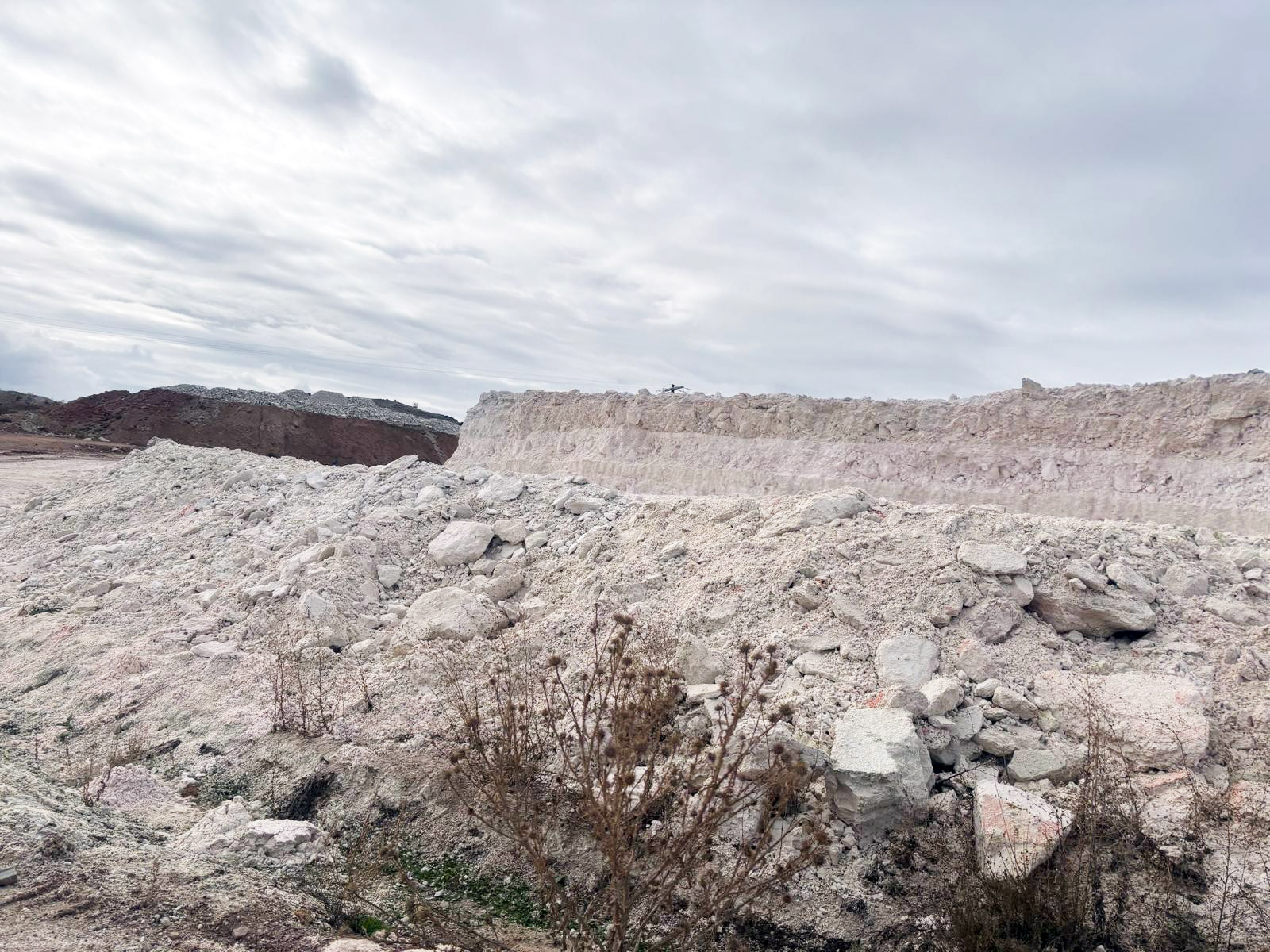
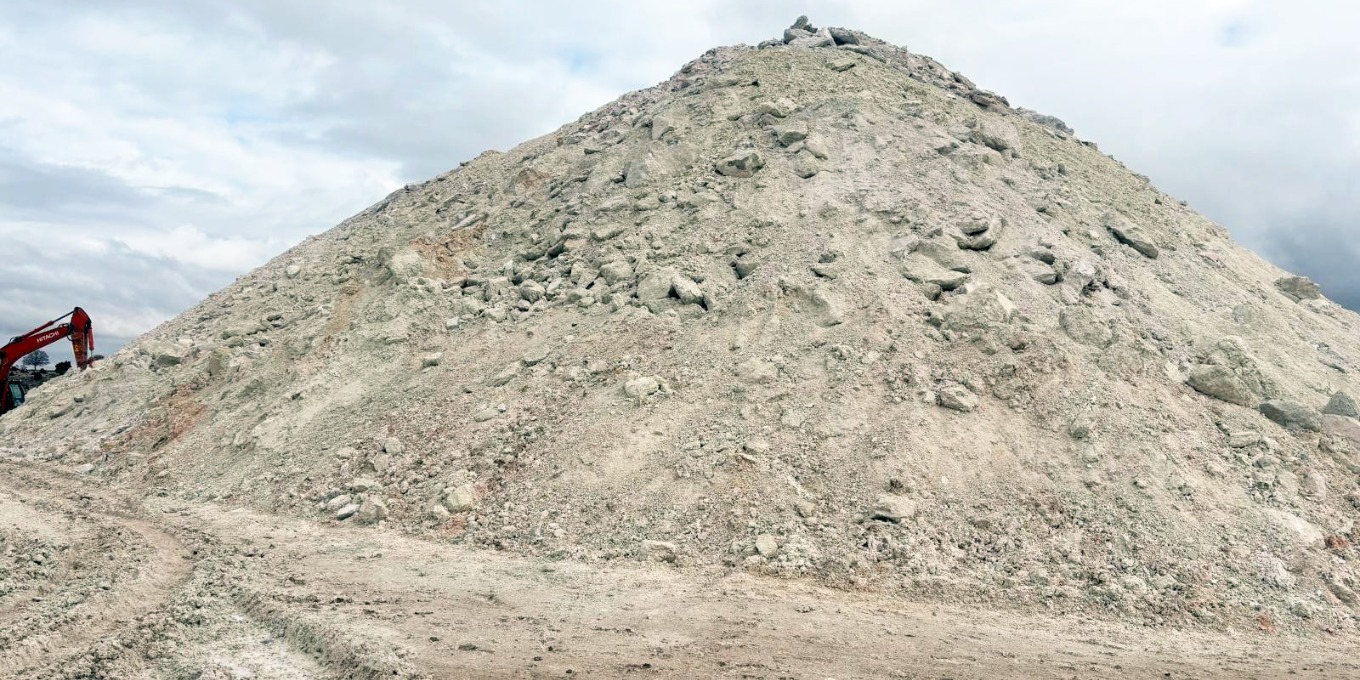
Bentonite is a natural raw material consisting mainly of smectite group clay minerals. Its interaction with water, swelling behavior, binding strength, adsorption capacity, and rheological effect are important performance criteria depending on the application area. Not every bentonite grade is suitable for every application; product selection must be made according to the mineralogical structure and process conditions.
Key Features
- Controlled interaction with water
- Swelling and gel-forming potential
- Binding and agglomeration support
- Adsorption and rheology function
- Suitability for different industrial activation options
Application Areas
- Foundry sand systems
- Drilling fluids
- Sealing and geotechnical applications
- Iron ore and other pelletization processes
- Adsorbent and carrier systems
Parameters to Consider in Product Selection
- Montmorillonite content
- Swelling and gel strength
- Cation exchange capacity
- Moisture
- Particle size
- Application-dependent rheology and binding performance
BT-1 White Bentonite
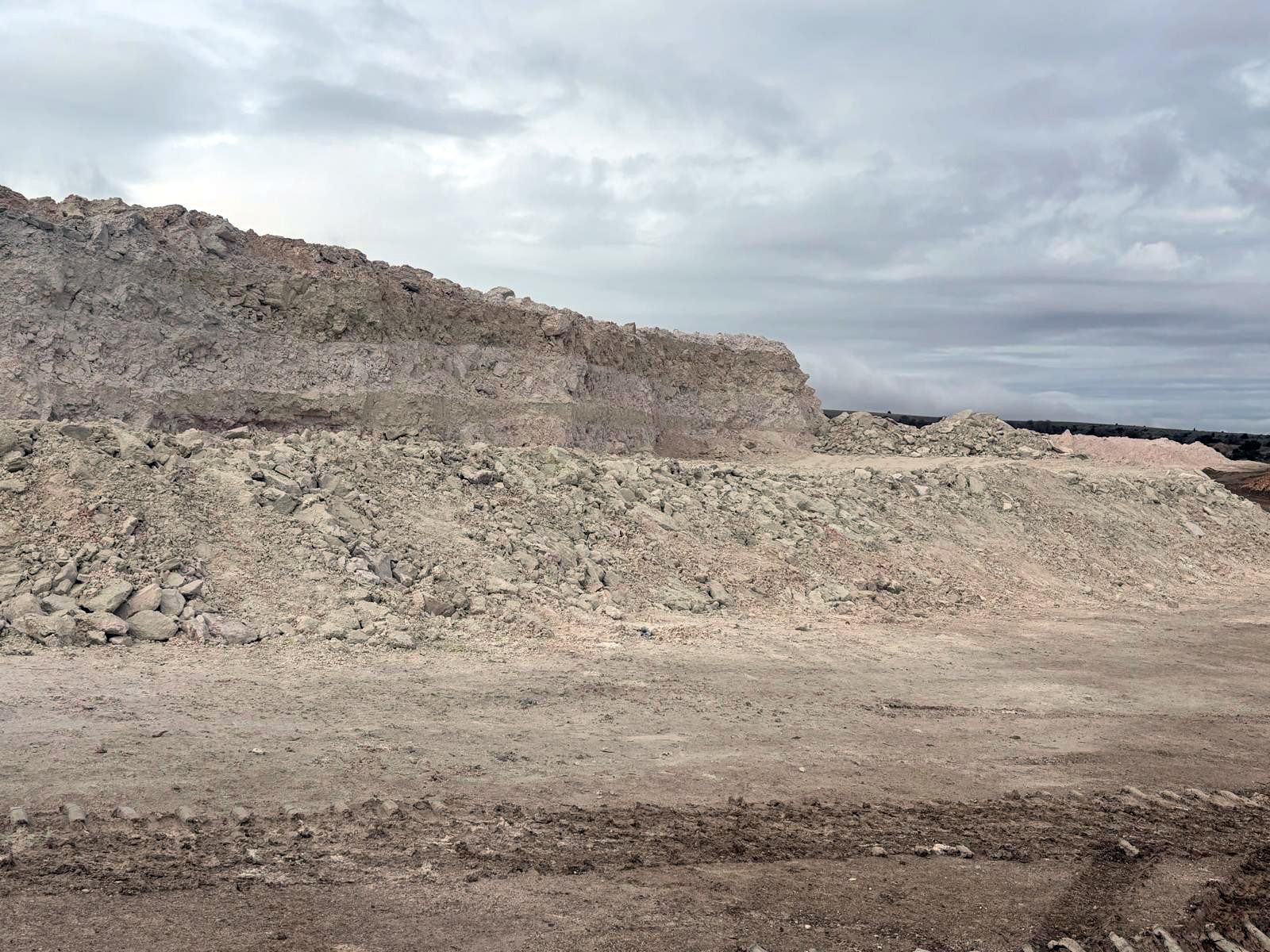
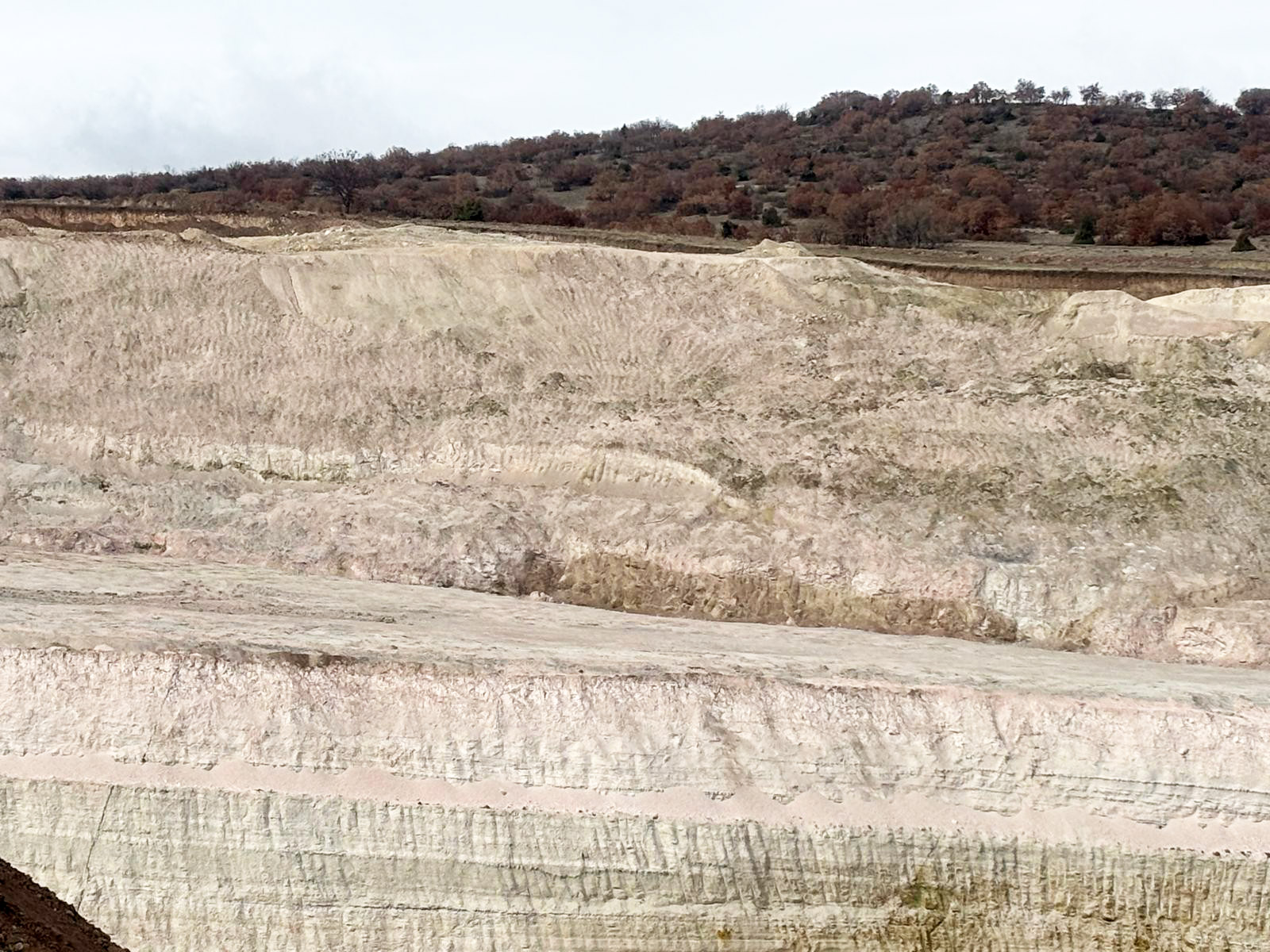
BT-1 is a natural white bentonite of Turkish origin, selected for ceramics and other industrial formulations where high montmorillonite content, binding capacity, plasticity, suspension stability, and controlled firing color properties are required together.
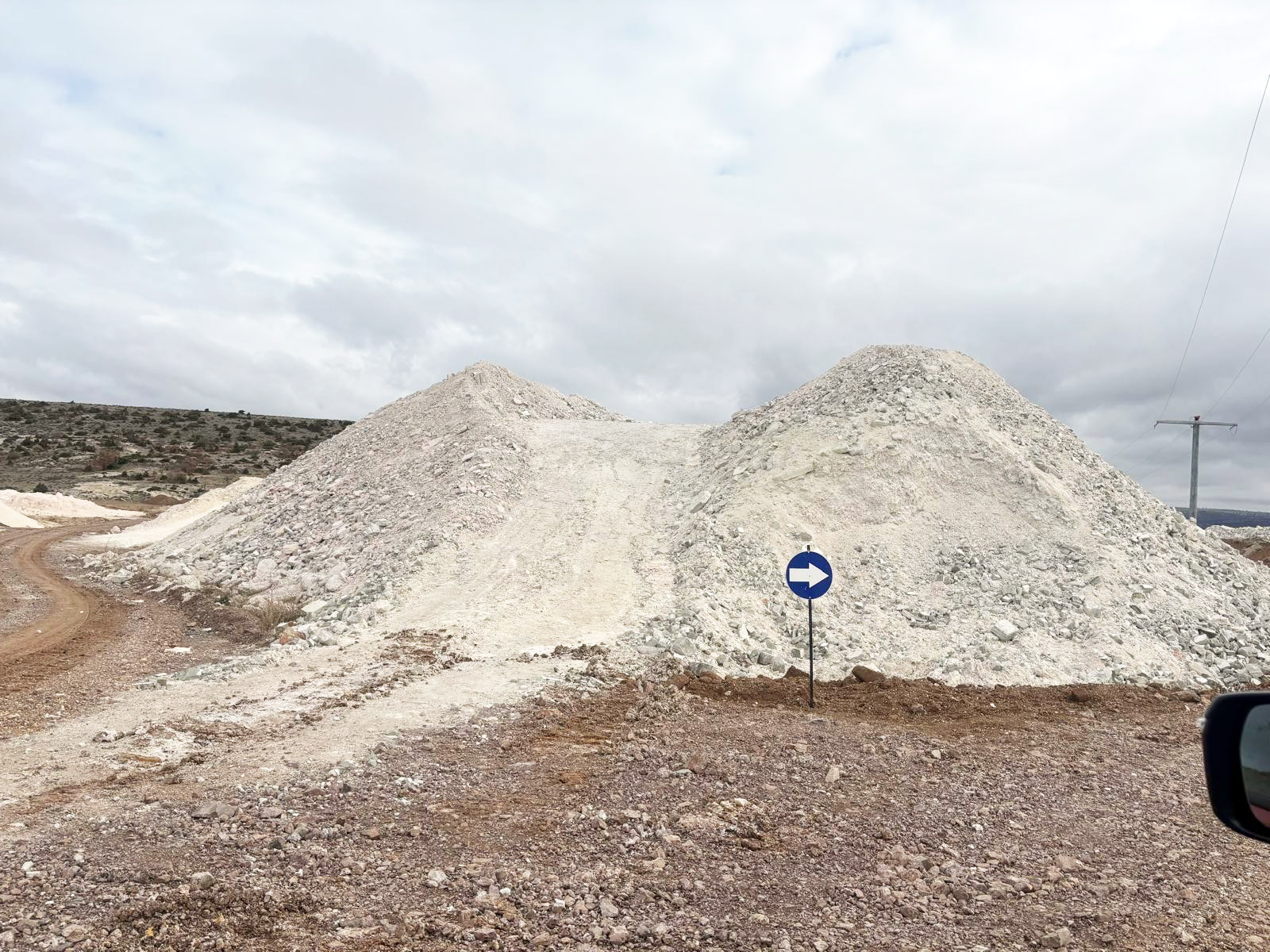
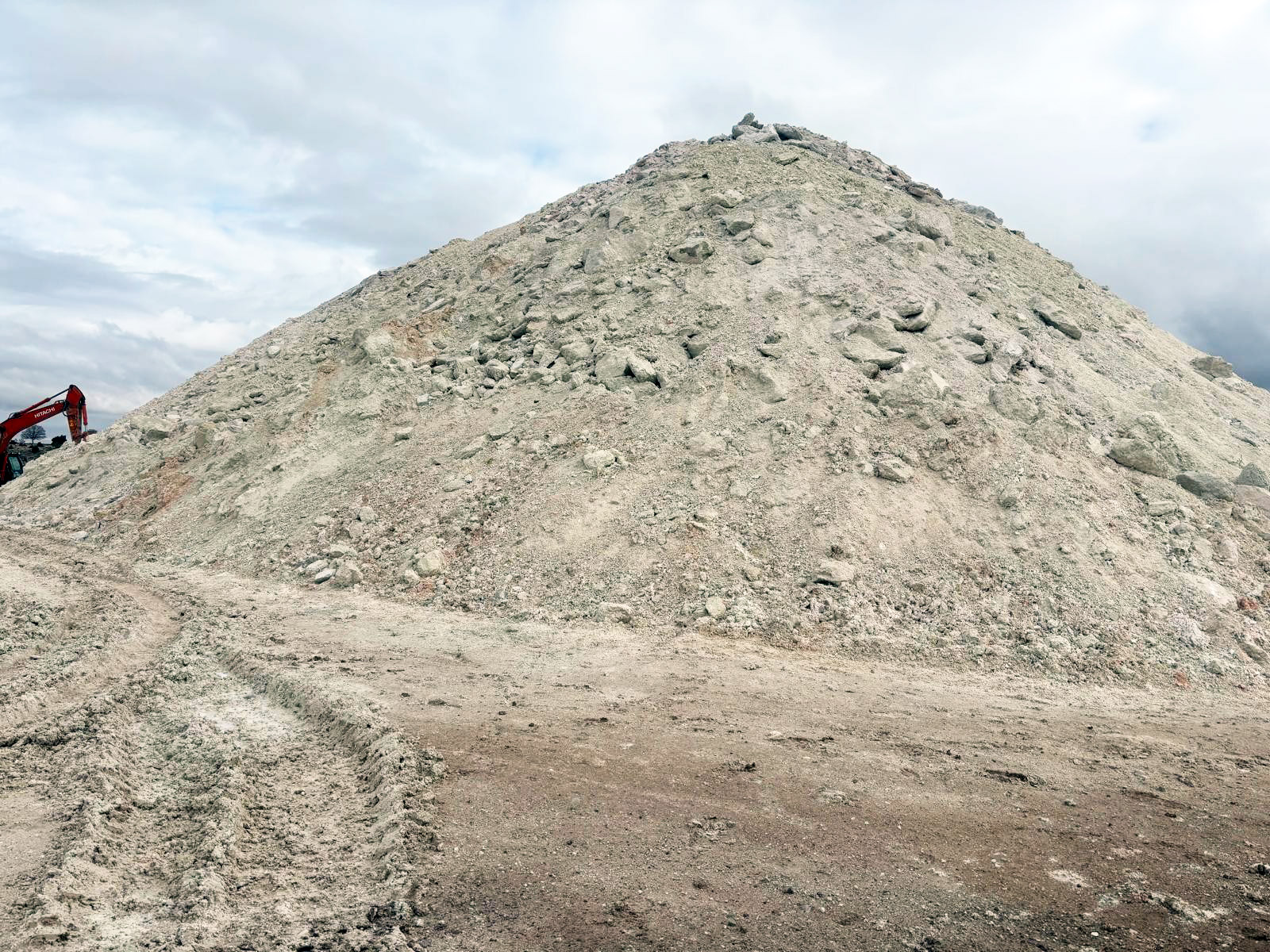
The product can be supplied as natural lump material or in processed and ground grades depending on customer requirements.
INDUSTRIES
- Ceramic and tile industry
- Porcelain and technical ceramics
- Refractory and ceramic compositions
- Industrial filler and functional mineral systems
- Selected building and engineering material applications
USAGE AREAS
- Improving plasticity in ceramic bodies
- Increasing binding and green strength
- Stabilization of ceramic suspensions
- Regulation of rheological properties
- Use in light-colored ceramic formulations
- Recipe optimization in clay- and feldspar-based bodies
- Selected industrial applications where the functional properties of bentonite are required
CHEMICAL PARAMETERS
(typical values)
| Component | Typical Value |
|---|---|
| SiO2 | 71.10% ± 1.00 |
| Al2O3 | 12.35% ± 0.50 |
| Fe2O3 | 0.85% ± 0.10 |
| TiO2 | 0.22% ± 0.02 |
| CaO | 1.17% ± 0.02 |
| MgO | 1.25% ± 0.25 |
| Na2O | 0.00% ± 0.01 |
| K2O | 0.23% ± 0.01 |
| SO3 | 0.01% ± 0.01 |
| Loss on Ignition (LOI) | 12.69% ± 0.65 |
Chemical values are based on typical source analyses. Variations may occur on a batch basis in commercial shipments and should be confirmed separately if necessary.
MINERALOGICAL AND PHYSICAL PROPERTIES
| Property | Typical Value |
|---|---|
| Montmorillonite | Min. 85% |
| Cristobalite-Opal | Max. 15% |
| Plagioclase | Trace |
| CEC | 86 ± 5 meq/100 g |
| Swelling | 25 ± 2 mL/2 g |
| pH, 8% solid | 8.5 ± 0.5 |
| Moisture | 20% ± 2 |
| Raw color L* | 94 ± 2 |
| 1220 °C fired color L* | 90 ± 2 |
SUPPLY AND PACKAGING
- Natural lump material below 70 mm
- Ground grades depending on order and processing method
- Big bag and container shipment
- Standard container option: 20 big bags × approx. 1,350 kg
- Bulk shipment depending on quantity and destination
TECHNICAL NOTE
The performance of bentonite depends on the recipe used and process conditions. The usage rate, grinding fineness, water demand, additives, rheology, and firing curve can directly affect final performance.
It is recommended to conduct trials in the customer's laboratory and, if possible, on an industrial scale before determining the final product specification.
Origin: Turkey
Product: BT-1 White Bentonite
Documentation: TDS, SDS/MSDS, and batch-based analyses can be provided upon request
Legal Disclaimer: The information provided herein is for general technical informational purposes only and is not binding. Typical values do not constitute a guaranteed product specification unless otherwise agreed upon in writing. The suitability of the product for the relevant application must be verified by the customer under their own process conditions.