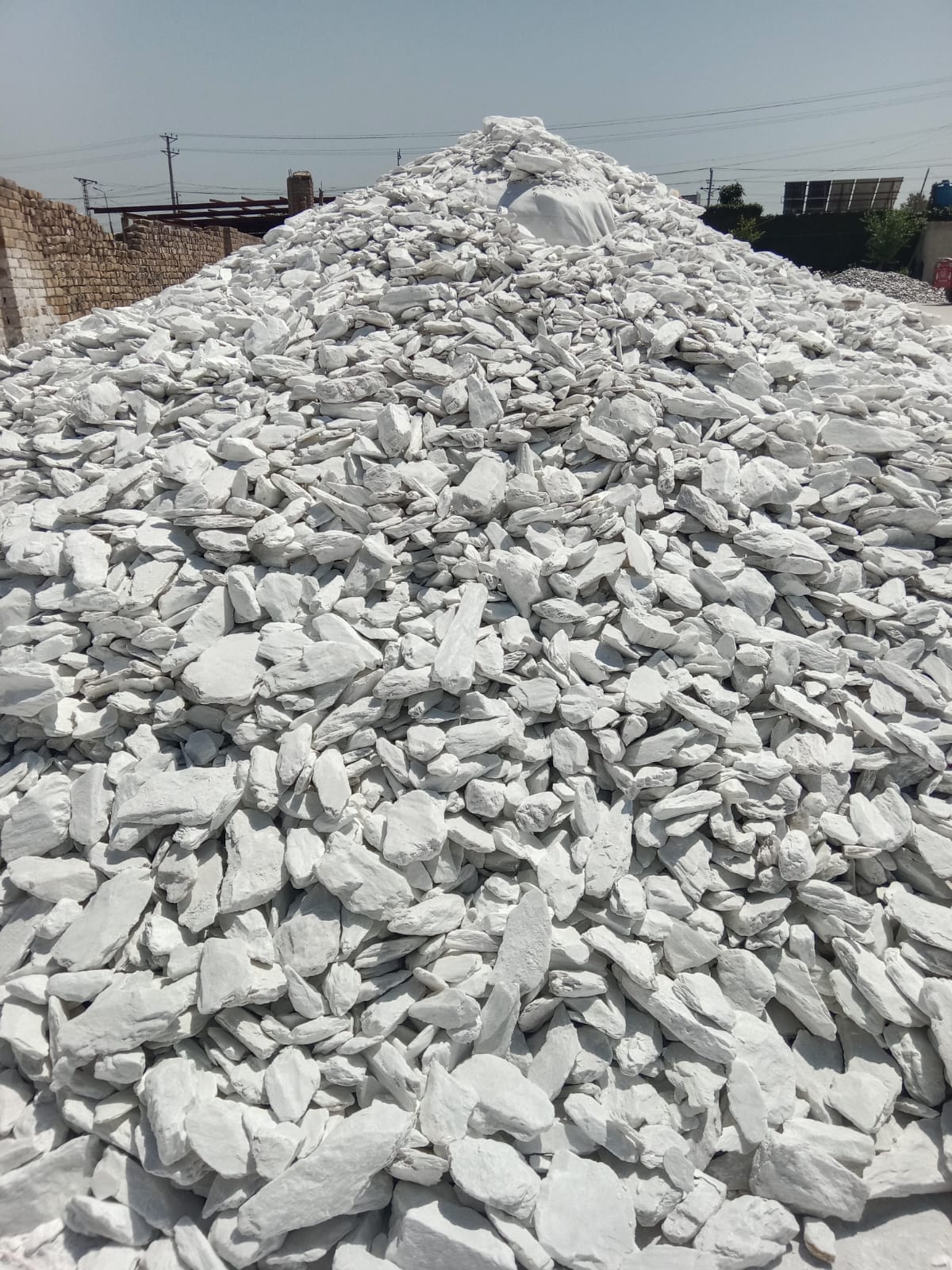
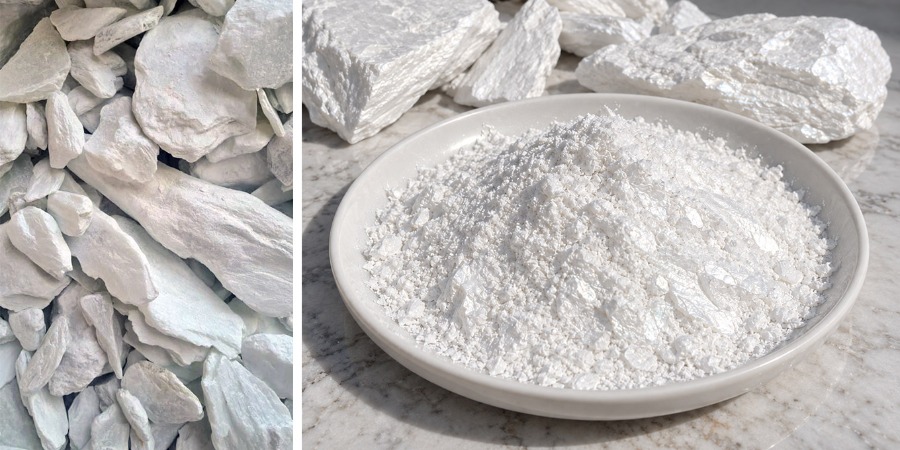
Soft mineral structure, versatile industrial use
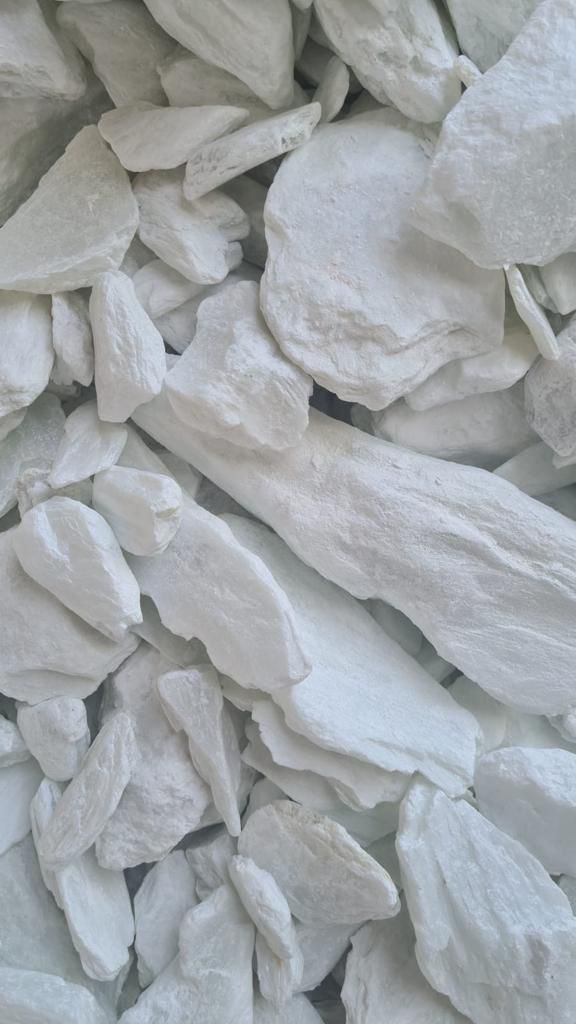
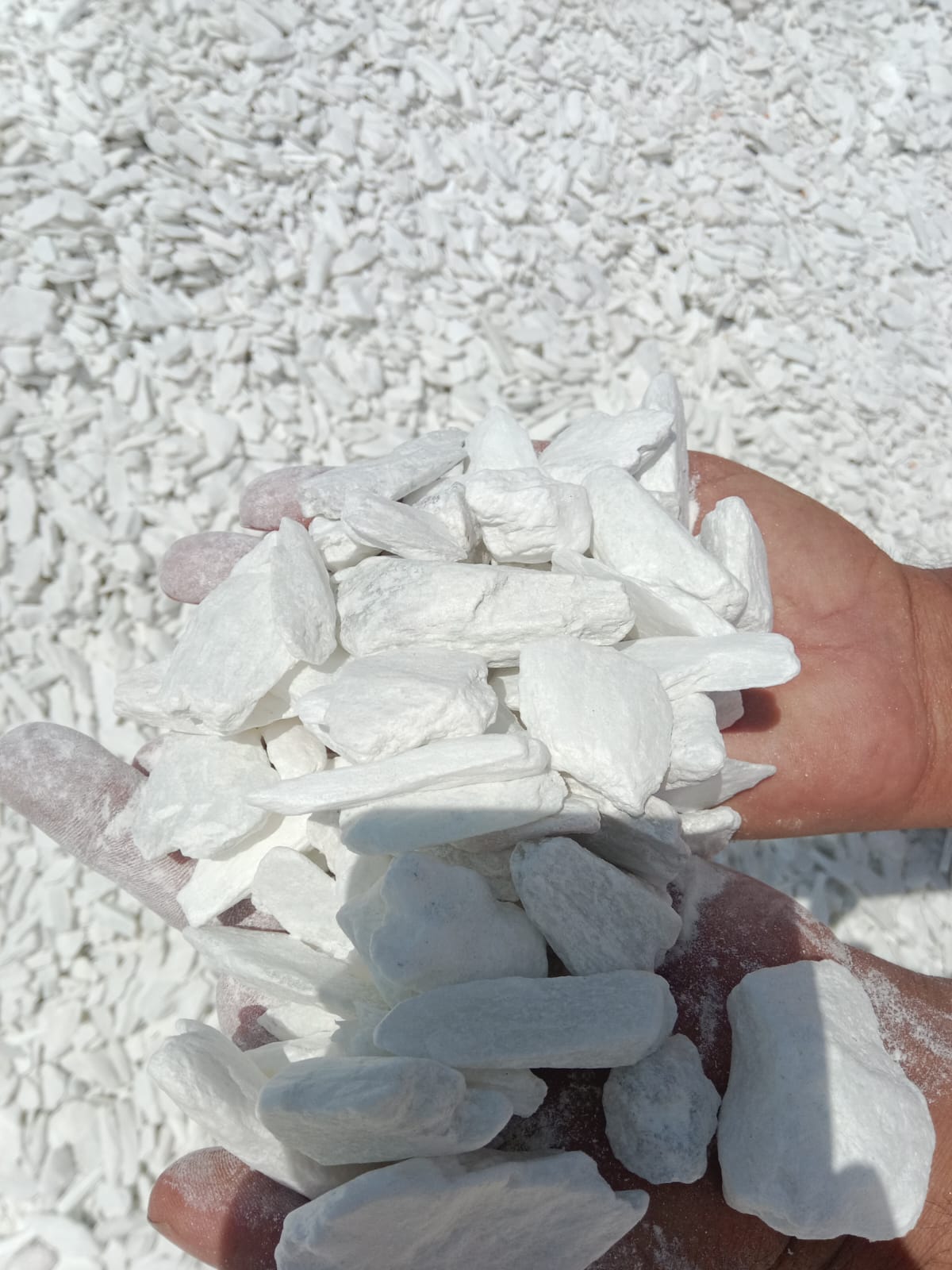
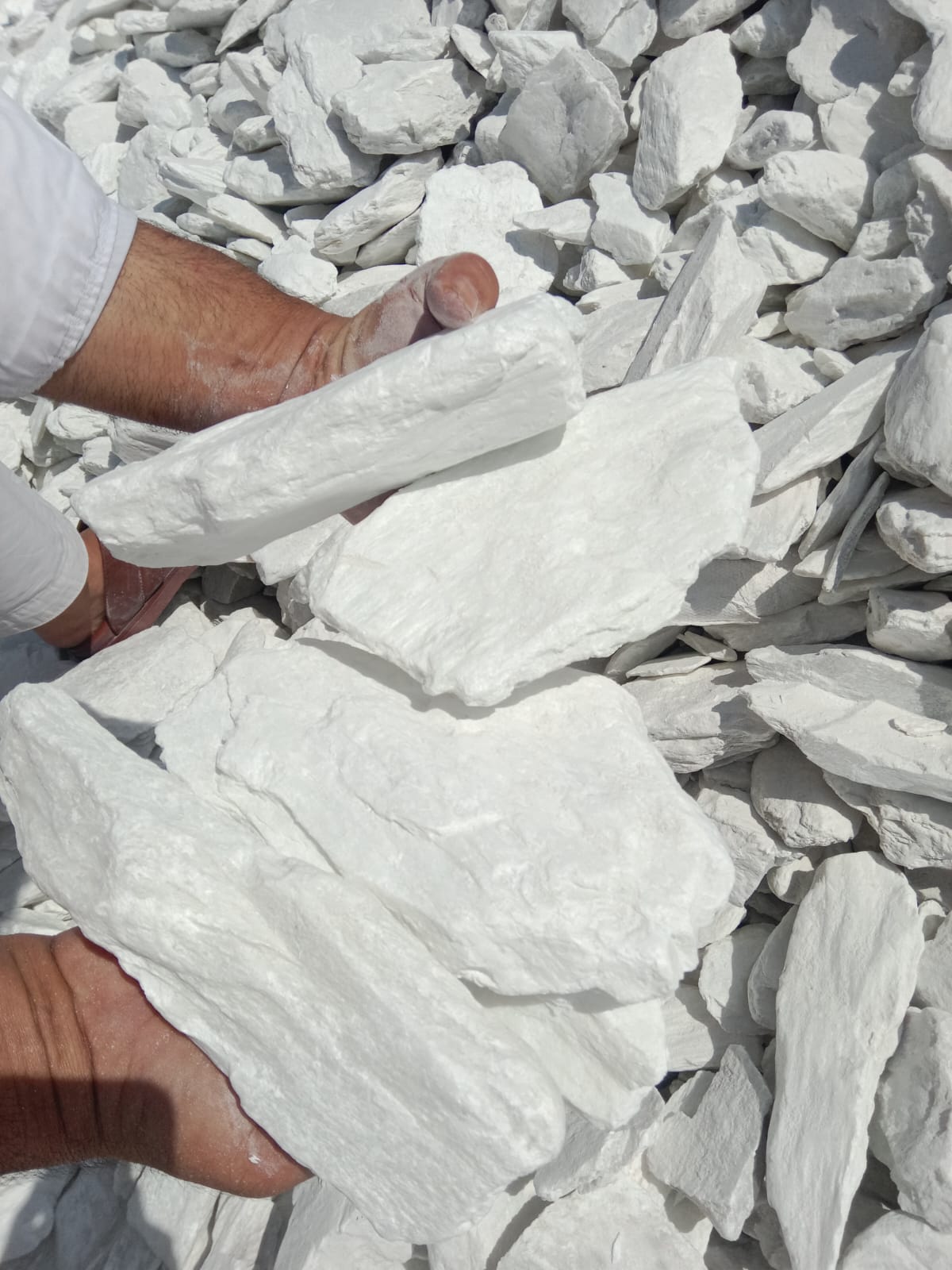
Talc is a naturally soft, lamellar magnesium silicate mineral. Thanks to its low hardness and layered morphology, it can be used as a filler, process aid, or functional mineral component in a wide variety of industrial formulations.
The appropriate talc grade should be selected considering chemical purity, whiteness, particle size, oil absorption, moisture, and mineralogical composition according to the application. TS Minerals evaluates these parameters together with the customer's production conditions during product selection.
Key Features
- Natural softness and low hardness
- Lamellar particle morphology
- Good processability
- Potential to support surface appearance and texture
- Availability in various particle sizes
Application Areas
Plastics and Polymers
Used as a mineral filler in balancing rigidity, dimensional behavior, surface quality, and process performance.
Paints and Coatings
Evaluated as a mineral component that can affect matting, surface texture, filler structure, and rheological behavior.
Ceramics
Can be used as a mineral raw material and process component at appropriate quality levels.
Construction Chemicals
Can be evaluated in putties, mortars, coatings, and similar systems where particle structure and filler properties are important.
Technical Formulations
Adaptable to systems requiring low abrasiveness, lamellar structure, or controlled mineral filler behavior.
Parameters to Consider in Product Selection
- Particle size and top cut
- Whiteness
- Chemical purity
- Mineralogical composition
- Moisture
- Oil absorption and dispersion within the application
Natural Functional Mineral for Industrial Applications
Talc is a naturally soft magnesium silicate mineral with a characteristic lamellar structure. Thanks to its low hardness, low abrasiveness, and layered particle structure, it can be used as a mineral filler and functional component in many industrial formulations.
The appropriate talc grade should be selected based on whiteness, mineralogical structure, particle size distribution, purity, and process behavior.
Industries
- Plastics and polymer industry
- Paint and coating industry
- Ceramic industry
- Construction chemicals
- Adhesives and sealants
- Selected technical formulations
Areas of Use
- Functional mineral filler in plastic and polymer compositions
- Regulation of rigidity and dimensional behavior
- Mineral component in paints, coatings, and primers
- Regulation of surface and texture properties
- Ceramic bodies and technical ceramic formulations
- Putty, mortar, and construction chemical systems
- Applications requiring low abrasiveness and lamellar structure
Key Features
- Natural magnesium silicate mineral
- Very low hardness
- Lamellar / layered particle morphology
- Low abrasiveness
- Good processability
- Ability to be prepared in various particle sizes
- Suitability for application-specific mineral formulations
Product Selection Parameters
| Parameter | Importance |
|---|---|
| Particle size / top cut | Process and final surface properties |
| Whiteness | Applications with color sensitivity |
| Chemical purity | Depends on the application |
| Mineralogical composition | Technical performance and continuity |
| Moisture | Process and storage |
| Oil absorption | Formulation and filler behavior |
| Dispersion | Application-specific process performance |
Detailed chemical and physical data can be provided upon request depending on the grade.
Supply and Logistics
- Lump, milled, or micronized grades depending on the application
- Big Bag or other packaging options according to the order
- Particle size can be determined according to customer requirements
- Container or truck shipment options
- Technical documentation and batch-based analyses can be provided upon request
Technical Note
Talc should not be evaluated solely based on its chemical composition. Mineralogical structure, particle size distribution, whiteness, particle morphology, oil absorption, and process behavior in the customer's recipe must be considered together.
It is recommended to conduct comparative tests under actual process conditions prior to final product approval.
Note: The information provided herein is for general and non-binding technical informational purposes. Typical values and product descriptions do not constitute a guaranteed product specification unless explicitly agreed upon in writing. Final suitability must be verified by the customer under their own application conditions.